Kőszegszerdahely
Digital Passport
Nomenclature and Geography
Category: City / Municipality
Summary
About the place: Kőszegszerdahely is a village in Vas County, Hungary, located in the Kőszeg District near the border with Austria. Situated at the foot of the Kőszeg Mountains, it is known for its winemaking traditions and scenic natural surroundings.
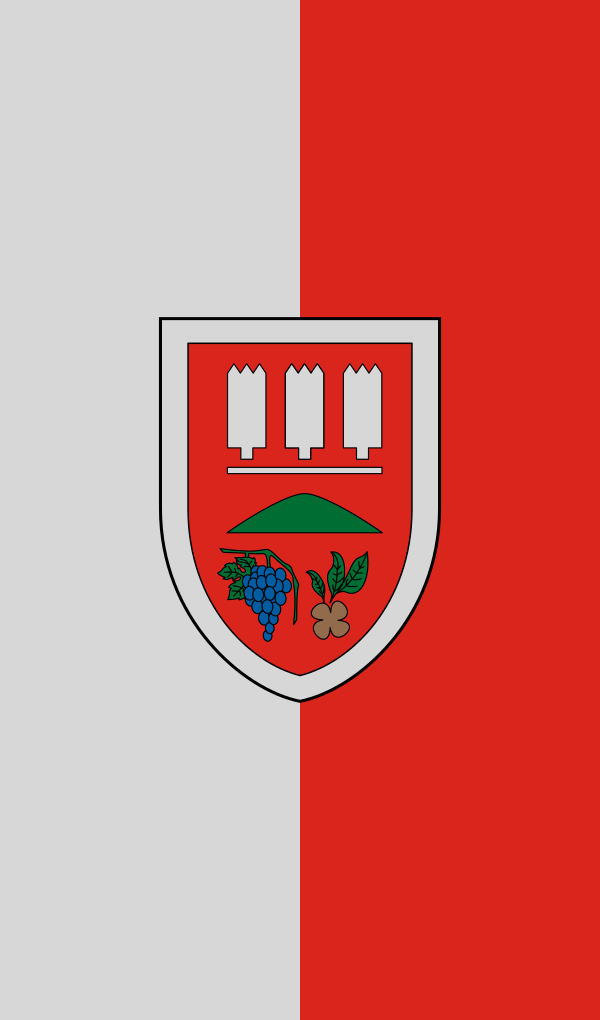
Flag Description: The flag is vertically divided into two equal vertical stripes: white on the left (hoist side) and red on the right. Positioned in the center of the flag is the municipal coat of arms with a silver (white) border. The red shield features three silver (white) wooden structures or palisades above a thin silver bar, below which is a green hill, followed at the bottom by a blue grape cluster with a green leaf on the left and a brown nut/chestnut with two green leaves on the right.
Symbolism: The white and red colors represent traditional regional and Hungarian heraldic tones. The elements in the emblem represent local geography and traditions: the green hill symbolizes the Kőszeg Mountains, the grape cluster and nut/chestnut highlight the long-standing local traditions of viticulture and fruit growing, while the three white structures recall the village's historic built heritage.
Statistics
Area
7.37 km²
Population
468