Nevis
Digital Passport
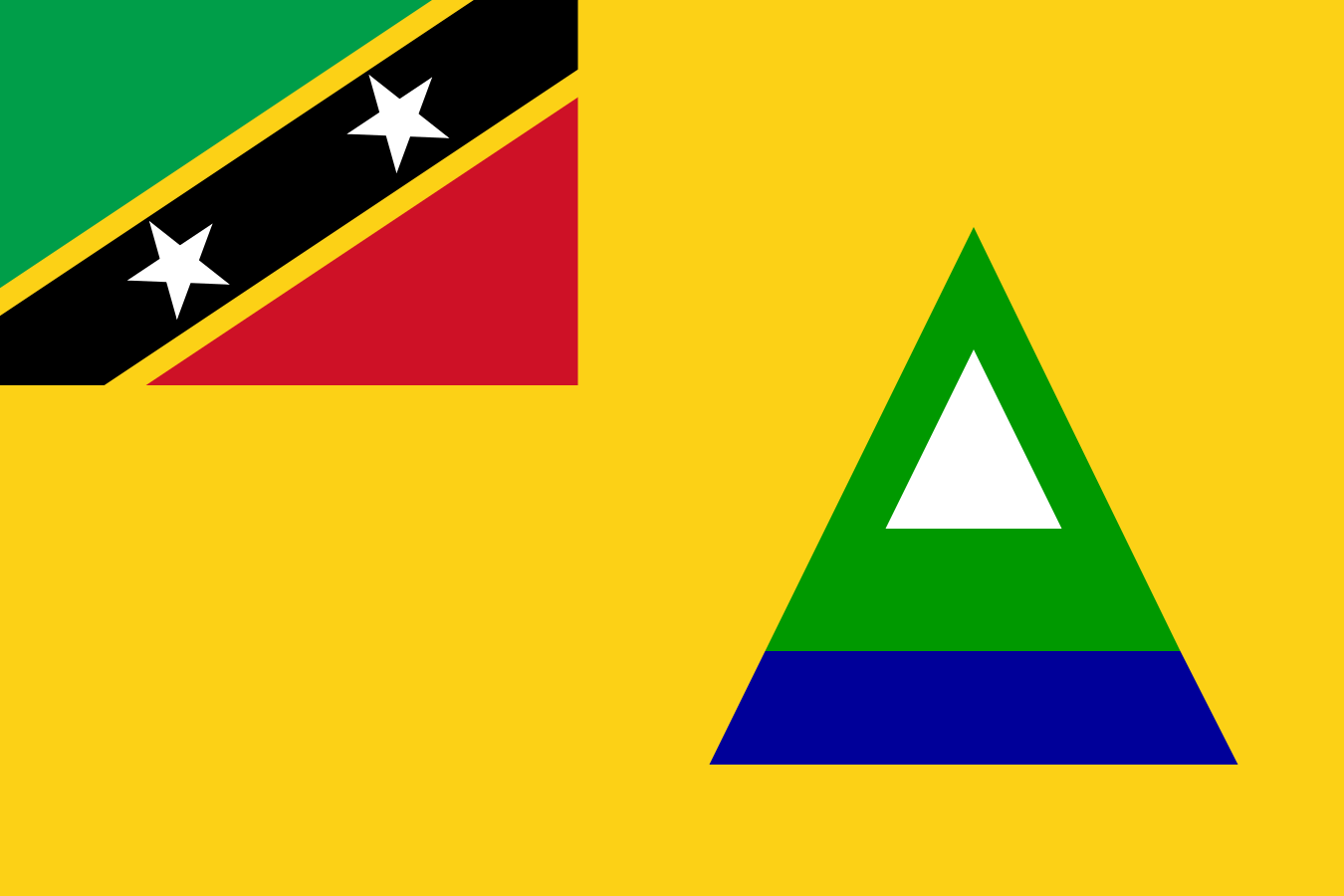
Nomenclature and Geography
Category: Region / Province / State
Summary
Originally inhabited by indigenous peoples including the Kalinago and Carib, Saint Kitts and Nevis became a focal point of early European colonization in the Caribbean, initially attracting French and English settlements. The islands’ fertile volcanic soil proved ideal for sugar cultivation, leading to the establishment of large plantations and a brutal system of enslaved African labor that fundamentally shaped the islands’ social and economic structure. The frequent shifts in colonial control between England and France, particularly during the 17th and 18th centuries, resulted in a unique blend of cultural influences evident in the islands’ architecture, language, and traditions. Despite its small size, Saint Kitts and Nevis played a significant role in the trans-Atlantic slave trade and the broader history of the British West Indies, becoming a key economic asset for the British Empire. Achieving independence in 1983, the Federation continues to grapple with its colonial past while forging a path towards sustainable development and preserving its distinct Caribbean identity.
Statistics
Area
93.00 km²
Population
12,277